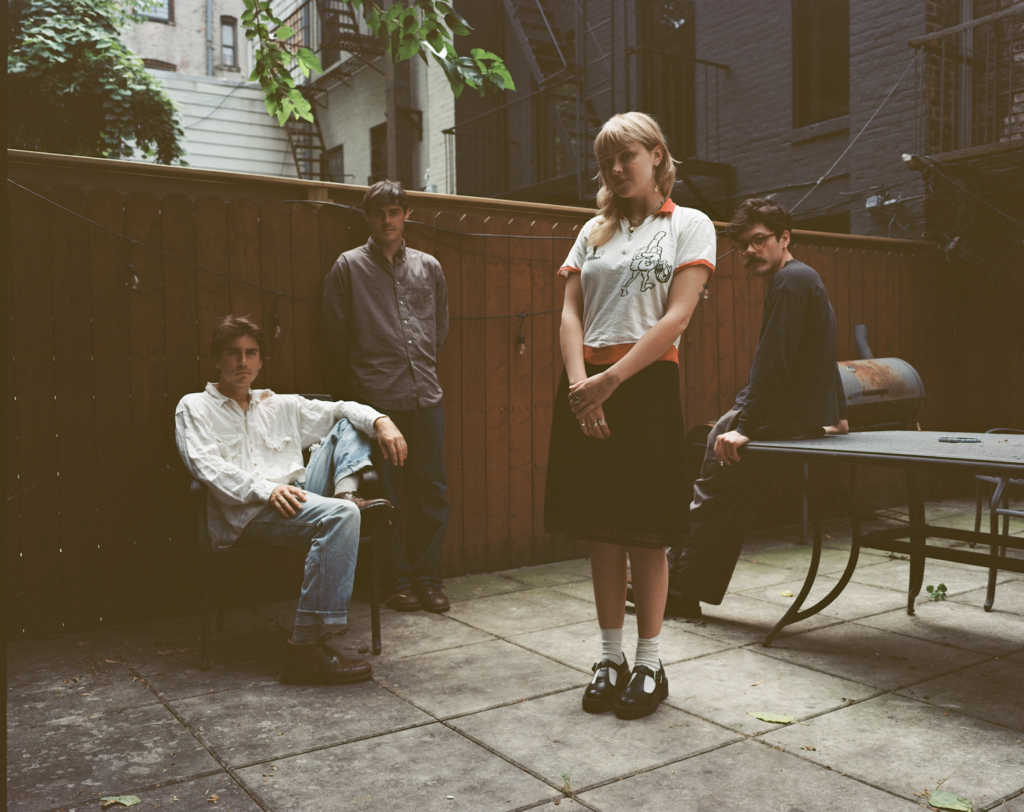
bloodsports sounds more like the consequence than like the action preceding it. Their post-hardcore dissonances exist through Newton’s third law of motion and in spite of the first two, with all the tension of straightforwardness and distortion being channelled through a contained pace, gazing melodies and dramatic chord progressions. All their most hardcore intents do happen in sudden bursts of fuzzy guitar lines, with over-the-top melodic resolves that replace the vocal stillness of calmer moments. It feels like looking in a mirror after a particular violent moment.
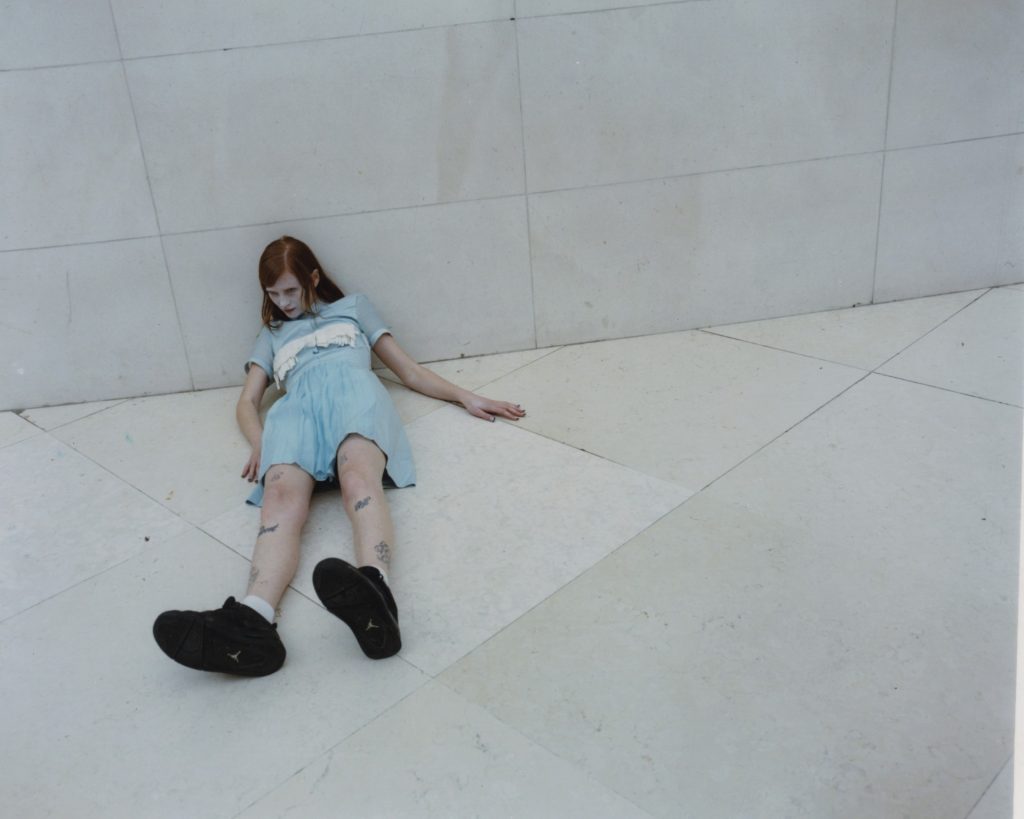
Charlie Osborne’s music starts from such a specific approach that it comes with no surprise that it sound peculiar to her. As a visual contemporary artist turned musician, the british producer’s sound scapes, delicate noises and melodic ideas carefully layered out for her quiet, velvety voice to take off on, come as part of wider ideas and inspired by various media. The output is indeed a condensed version of all the possibilities encapsulated in her creative wits, of pop song desires with experimental, adventurous spirits. It may be to soon to coin her music unique, but we can just say it sounds uncannily like herself.
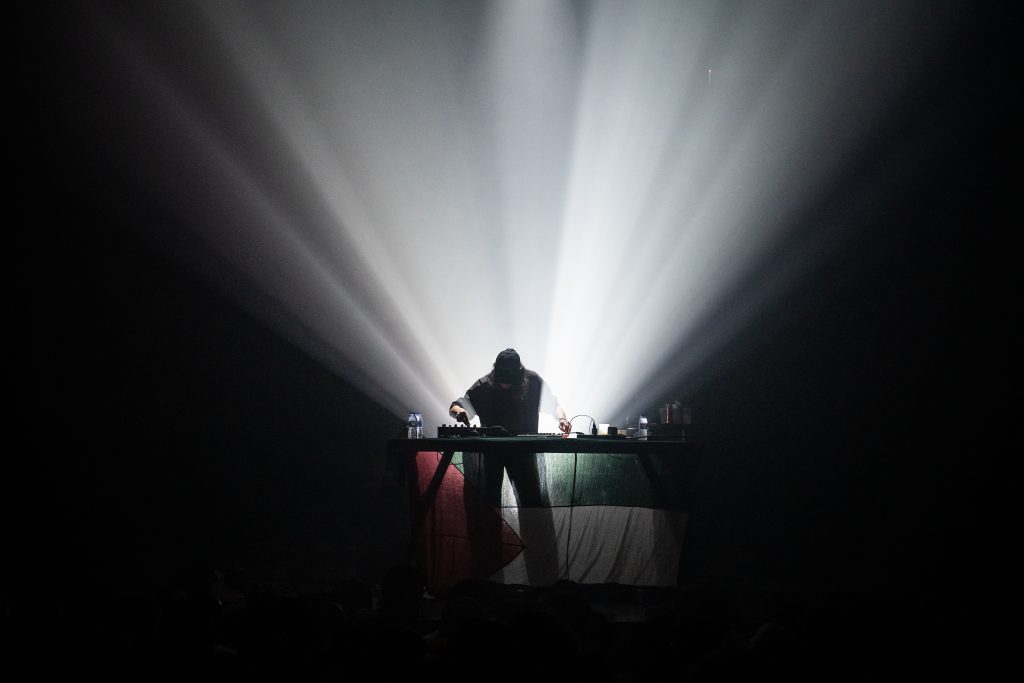
Every year Mucho Flow fills the lineup with surprises, first timers and debuts, and every year we invite Lynce to surprise us. Our symbiotic relationship of exploring the underworld of the dance floor has been developing for over a decade, which means we have been changing together alongside Porto’s finest party-sherpa. Pedro Santos, a representative of the feline rhythms of acid, jungle, and hardcore, is getting ready to deliver, between decks and synths, a hybrid DJ/live set that will leave us instantly nostalgic for what we’ll be experiencing — and eager for another Mucho Flow, another Lynce set in his natural reserve, even if as an invasive species: Guimarães.
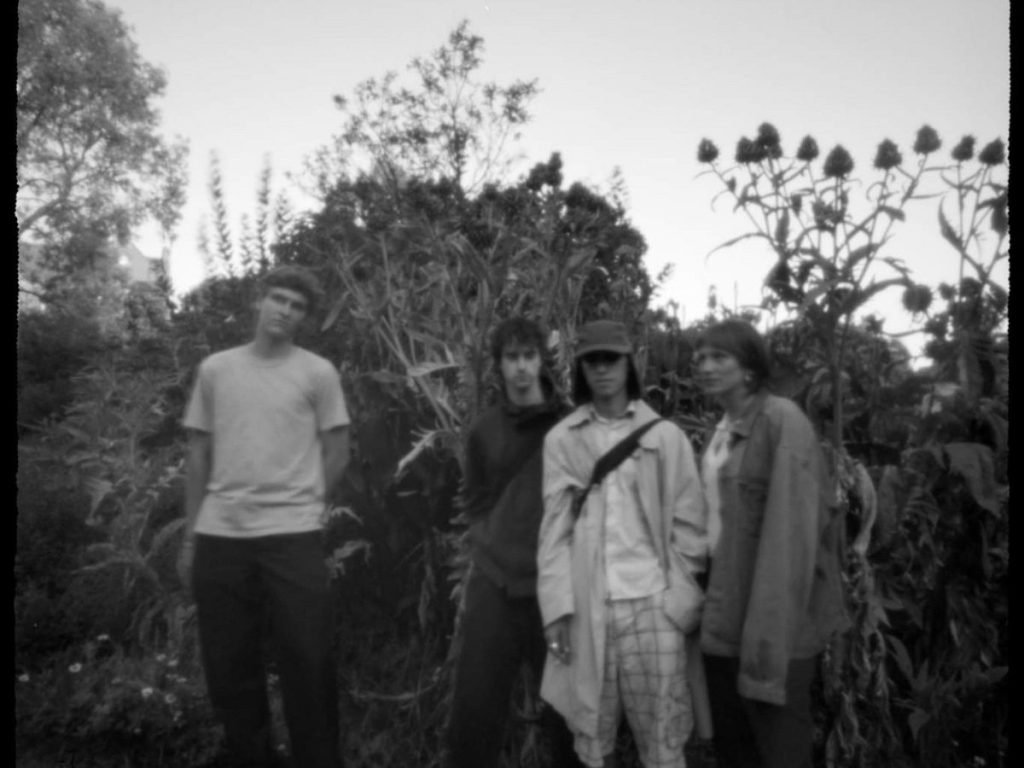
Dread is rarely a studio effect, it is a compositional decision, and Dumbhead made it early. Beneath almost everything the Melbourne trio records runs an operatic chorale, liturgical and displaced, as though a mass had been carried down into a basement and fed through a sampler. It anchors a trip hop with no appetite for nostalgia: Maayan Barnatan builds the beats and the guitars, Zach Salmon folds the whole thing into live dub and delay from a Tascam desk, and Billie Raffety, jazz-trained, moves across the pieces with a voice that hovers and holds at once. Trumpet opens the sound out towards the cinematic, the low end closes it back onto the body. Somewhere between downtempo and IDM, Dumbhead write songs that only fully declare themselves loud and in the room with you.
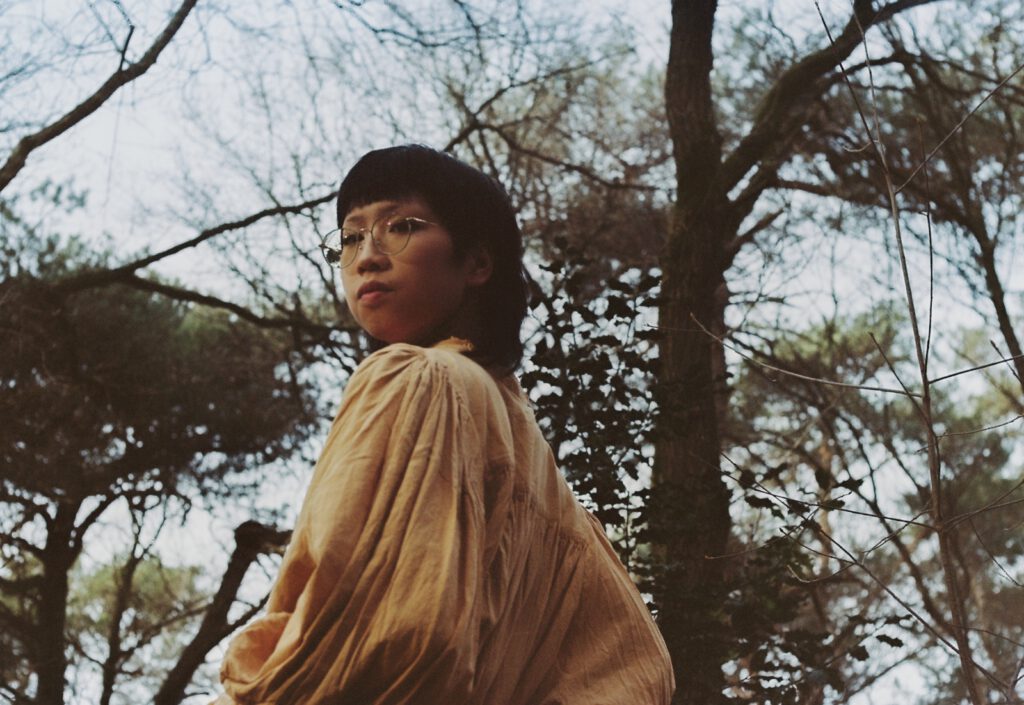
There is something outright peculiar about Hong Kong born, UK-based gyrofield: although her sound is deeply rooted in the 90s uk bass scene, with drum and bass taking the biggest influence toll, the music is very much defined for what is now, and still yet to come. The up-and-coming producer draws from any electronic genre to create layered and complex approaches to break beat, breaking them even further and diligently avoiding harmonic and melodic commonplaces. Both as a producer and as a DJ, the result of her practice is a wormhole between eras, simply folding and warping time between yesterday and tomorrow, and creating new melodic routes for drum and bass. Nothing less than exciting.

There is always a certain expectation that the language of folk, or of any kind of folklore, is the language of simplicity. Not that it holds true, but there are limits imposed on acoustic instruments that trade complexity for a catchy melody, a metrically flawless lyric and a message rounded off at the edges. The American Hannah Frances honours the whole canon, then adds back the freedom that was stripped from folk over the decades: there are unexpected progressions, elaborate arrangements and life beyond the song format in her music. And of course there is a commanding voice, harmonies clearing the way for melodies that move you, and all the aesthetic motifs that delight any troubadour, and their listeners. We will sway together in Guimarães, and the soundtrack is Hannah Frances.
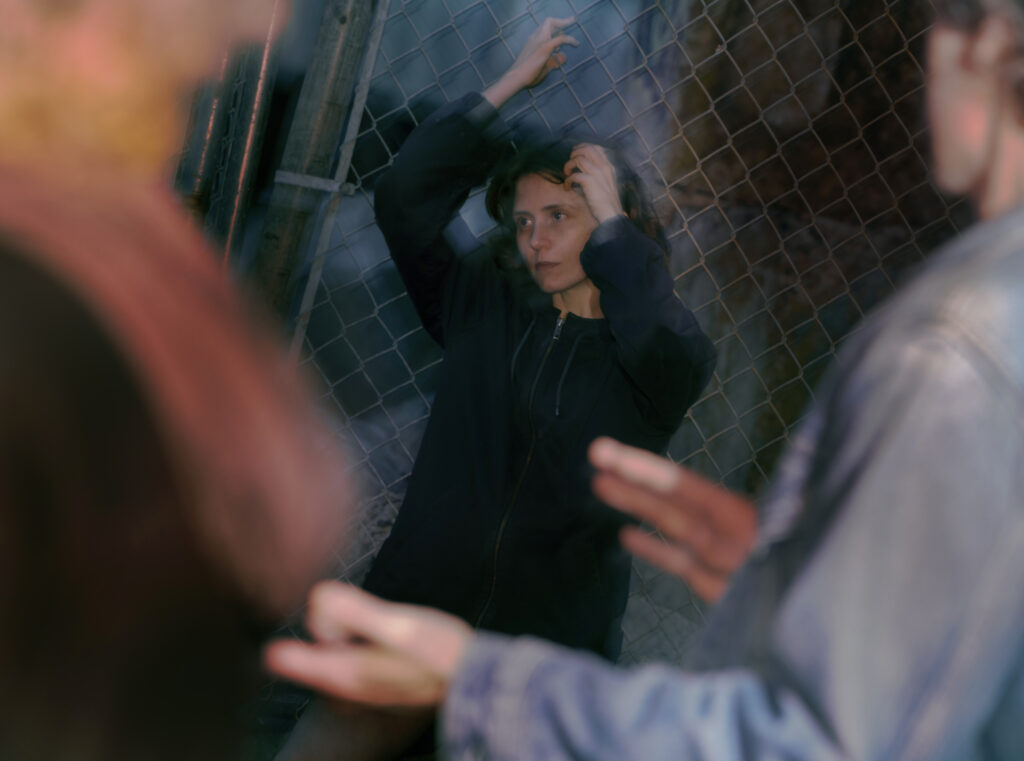
The tonic on every chord Jana Horn strikes is not exactly melodic, but conceptual and lyrical. Her parallel activity as a fiction writer complements her artistry of songwriting wonderfully, covering each word with thoughtful meaning and ideally placed for her velvety voice. It is quite the combo: voice empowered by delicate projection and soft melodies, over pastoral Americana folk that projects spirits towards never-ending journeying. Her concert will remind us of the indelible power of a good song, and moving it can feel.
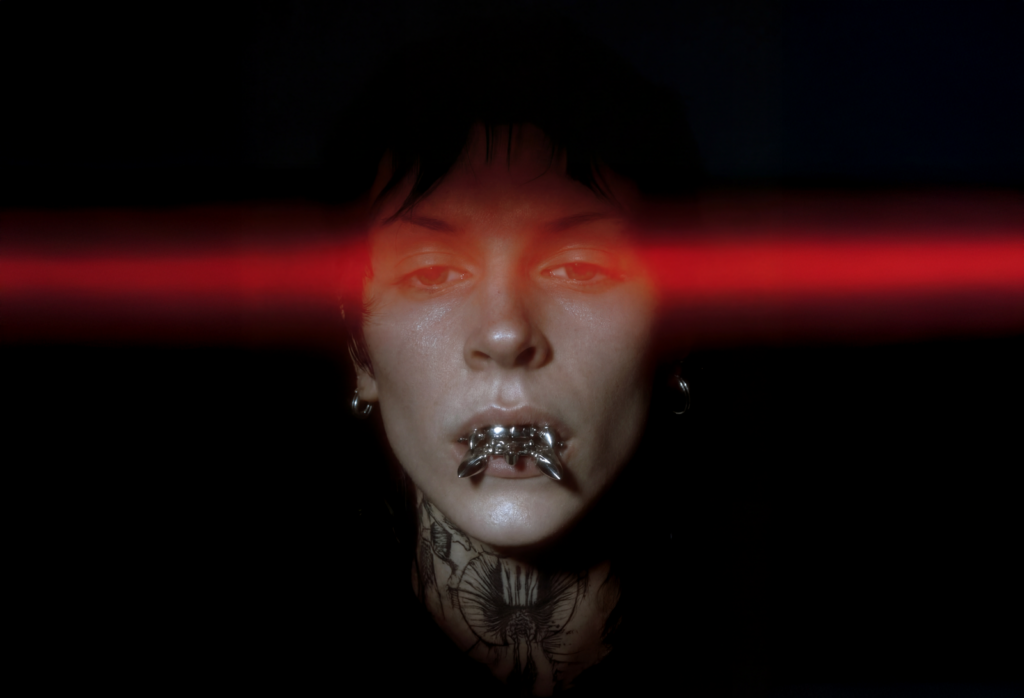
Kavari is a sonic collection of schisms and negations, sculpting a musical body of really specific but still culturally immersed sound. Of each trait, aesthetic detail, and canon that the Scottish producer takes from their sound, the identity of their musical ability grows more uncanny, balancing ambient expressions with club techniques seamlessly. This leads Kavari to build a body of work that derives from the familiar but rather explores the uncanny, surprising us with melodic solutions more expected from non-electronic latitudes, propelling us into wonderful unknowns. It is club, alright, but is it one that we have been invited to inhabit, or that was just created by Kavari?

Nothing looked at against the light gives its face back. That is the condition of Contre Jour: image does not accompany sound, sound does not serve image, both occupy the same body and fight over its outline until only silhouette is left. Lee Ranaldo and Leah Singer have inhabited that friction for over three decades, he dismantling the guitar down to whatever in it is not a note, she running, jamming, folding and burning film in real time. At some point the guitar is let go into the air and begins to swing above the room; what comes out of it has stopped being performance and become gravity, distance, and the feedback that distance manufactures. With every pass the pendulum erases one part of the projection and ignites another. We stay underneath, in the gap, watching what the light takes from us.
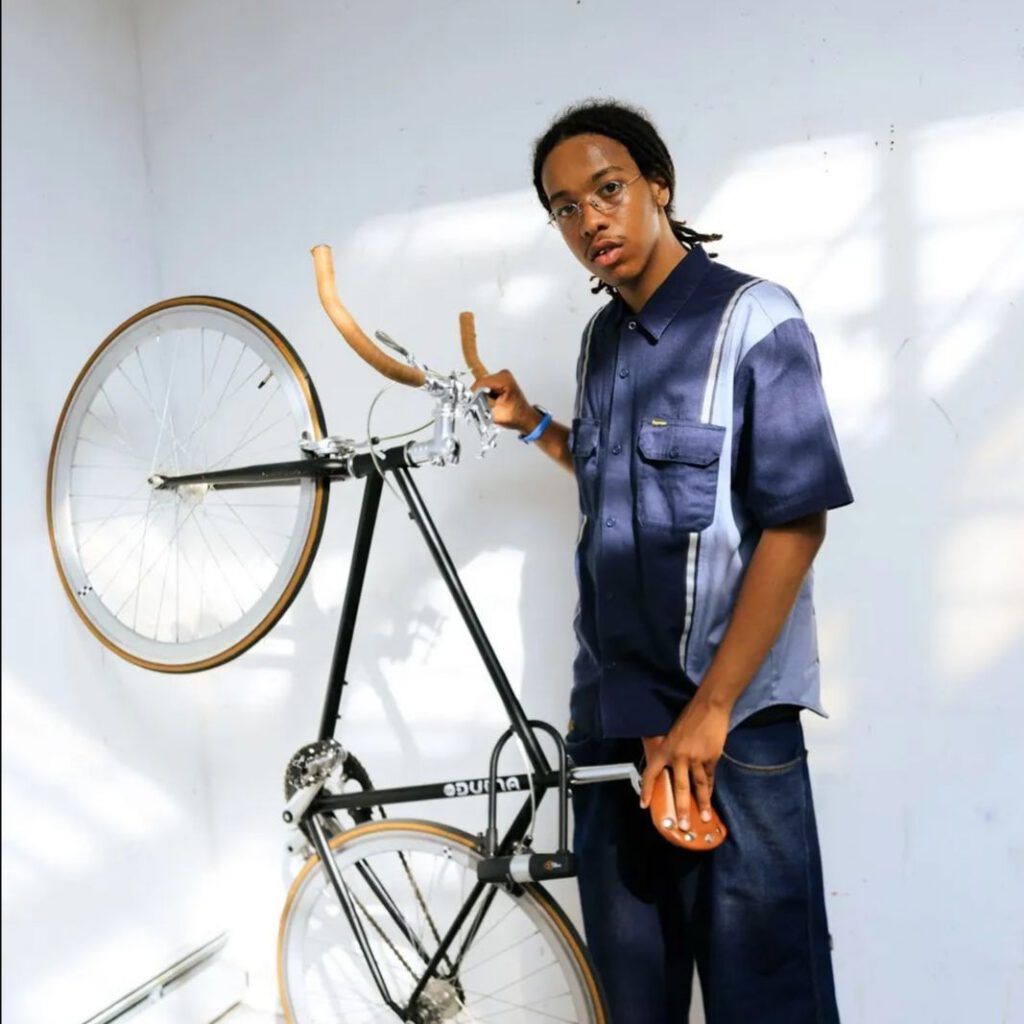
Liim is the chosen incarnation of the 5th generation of rapper, one that captures perfectly the contemporary aligned with the canon and not in spite of it. His bars are melodically imbued, as most pop rappers nowadays are, but without dropping the responsibility of building intricate lyrical duties. Balancing words and melodies carefully, the New York native demonstrates why being from the land of hip hop may prove to be an advantage, channelling the OG vibes, looking towards trap and sounds alike, and spicying it up with some RnB softness. We will hear a lot about him in the future, but you listened to him first at Mucho Flow.
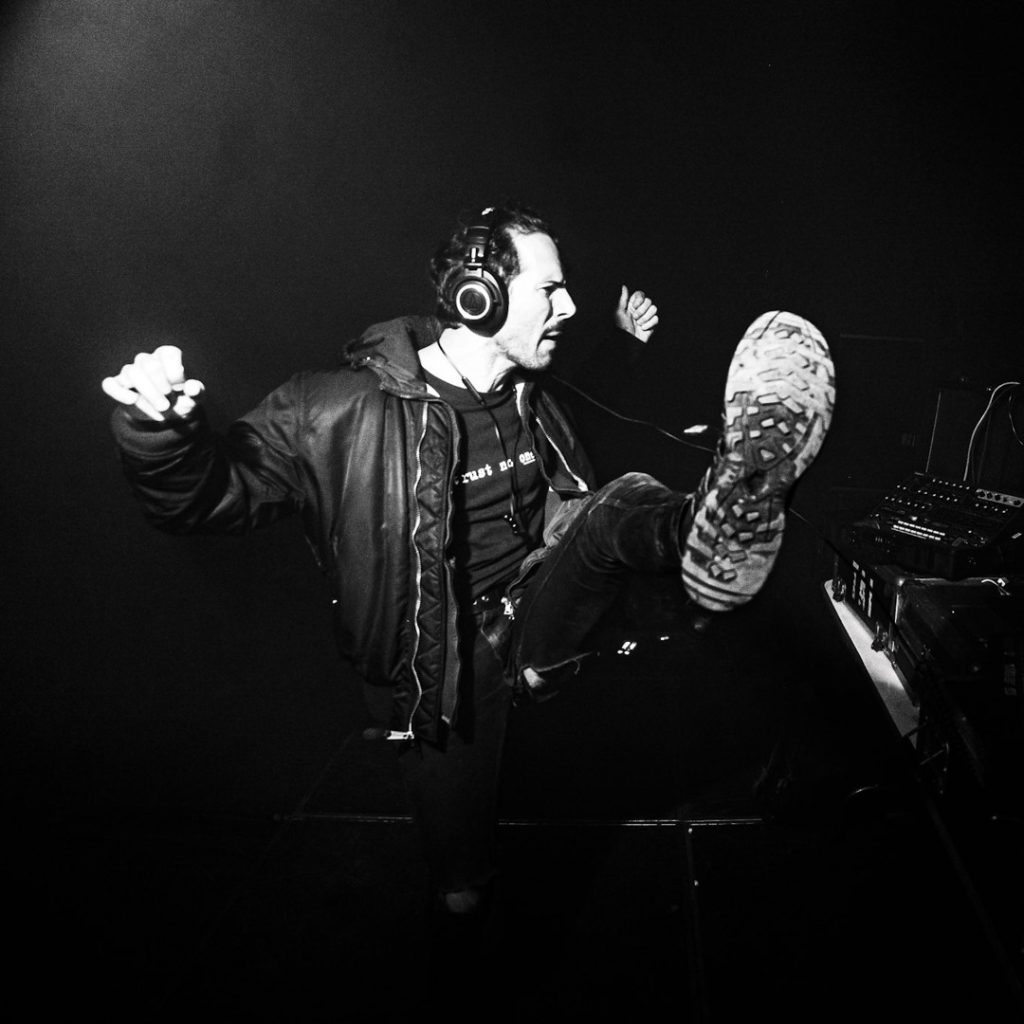
All euphoria is a deferred promise, and trance understood that before any other genre: it is built towards a moment that exists only while it is still on its way. Lorenzo Senni took that promise and refused to honour it. The Italian producer kept the ascent, tore out the fall, and from the supersaw, a timbre that should be worthless from overuse, drew an entire vocabulary: stacked points of light, arpeggios that never resolve, tension that declines to convert itself into relief. He called it pointillistic trance, released it on Warp, and through Presto!? dragged a whole scene towards the same lyrical abyss. Listening to him means being held in the antechamber of the dance floor, where bodies already know what to do but have been given no signal. The ecstasy does not arrive. That is the point.
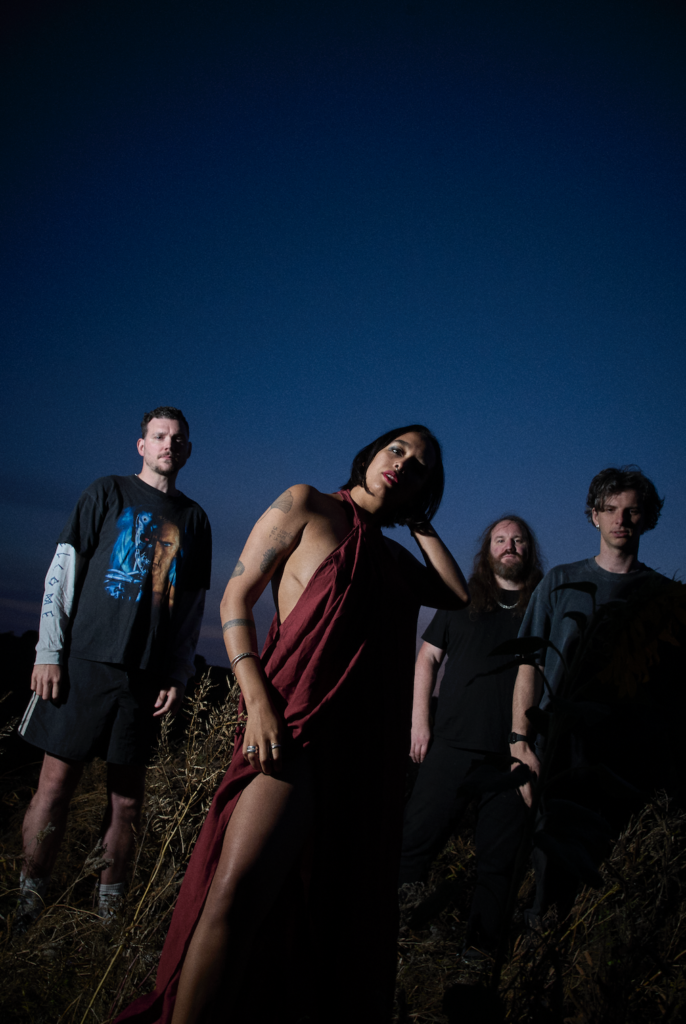
Ambivalence is very seldomly a word used to describe any music, but Mandy, Indiana are deserving of a singular description: half british, half french, equally divided between electronic sounds, punk bursts, connected by dissonance and a weird harmonic sensitivity. The guiding line between screeching and distinctive guitars, synth deep basses and impetuous drums is the vocals, a place of solace in chaos, and the agitator in more melodic scapes. Their sound is definetly free, so should be your bodies to express themselves during their concert.
We just found out that there is a thin conceptual line separating a break beat from a blast beat, and its all thanks to the trio of colossi from the UK electronic scene merging into Microplastics. Their sound is both extreme for rock and metal terms, hyper for pop and song concepts, and maxxing for all wits and skills without being obnoxious. It sounds surprising, sure, but it is exactly what one ought to expect from an outfit comprising aya, 96black and Jennifer Walton. You can expect moving melodic bursts with the ever urgent rage of blast beats with delicate vocals. You can expect everything, but also save room for surprises. You will want to go through both.
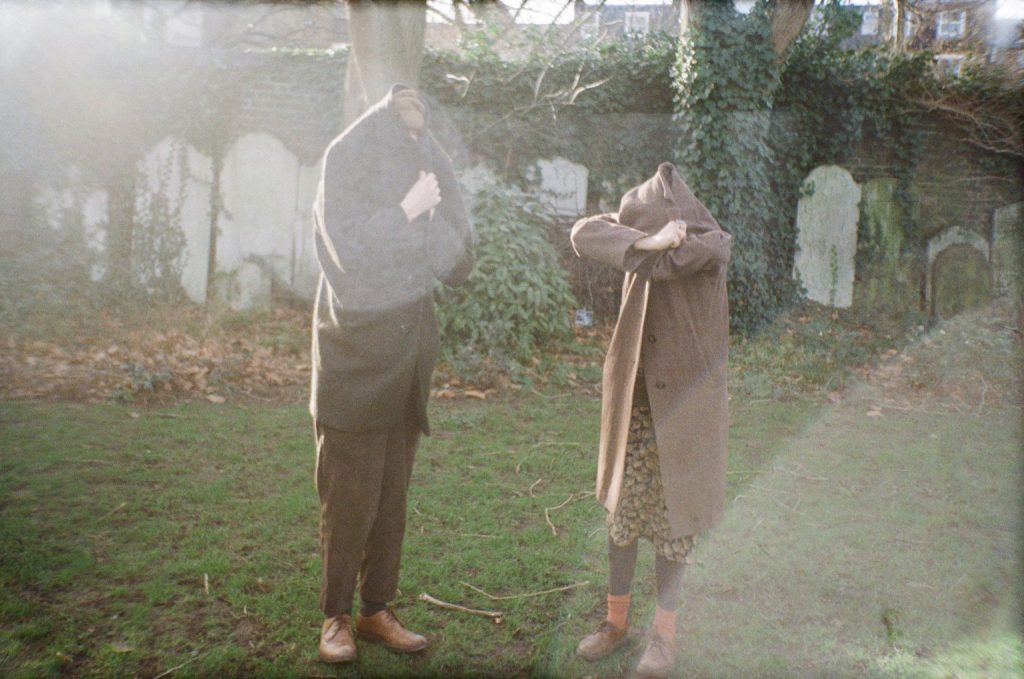
Milkweek are just bearers of the weird folk flag. The sound of the Irish duo is in constant tension between tradition and contemporary materiality, unearthing them from overtly Celtic expressions and creating a singular, familiar sound for almost all corners of the globe. Their folk expressions seem to go so far back that micro context of geographical limitations seems unfit to describe the origins of sound, almost demanding the listener to think of more ancient terms and civilisations, from Indo-European backgrounds. It does sound ancient, yet we see all that we use to create in their hands. This alien juxtaposition of sound and performance defines the Milkweed experience and how unmissable it is.
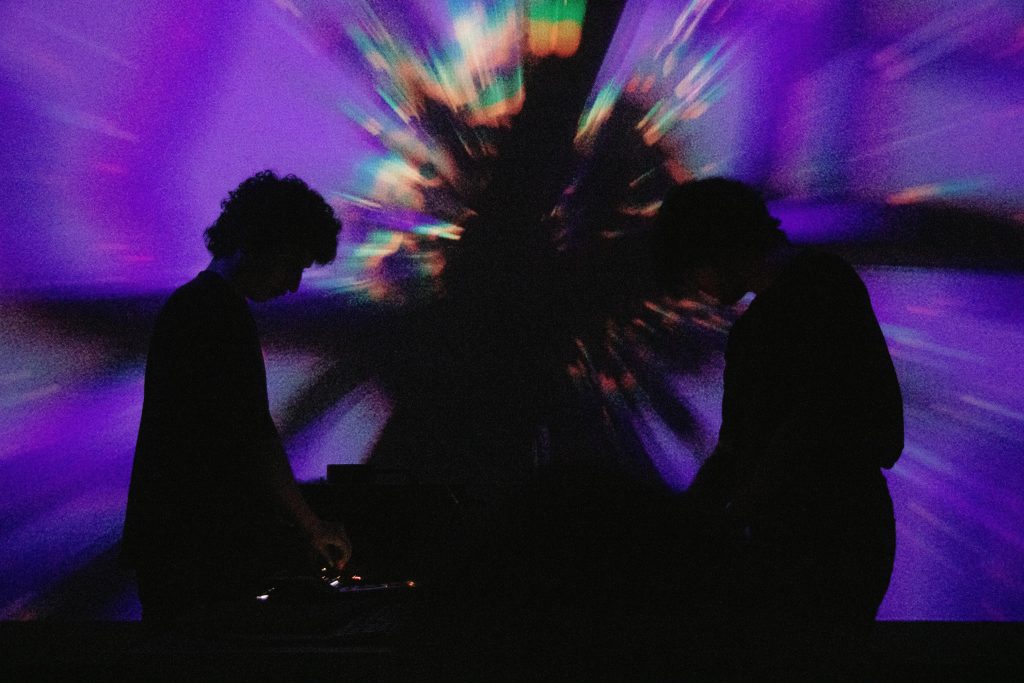
Machines do not dream, but they long ago learned to feign it, and it is in that useful lie that this meeting takes place. Mother Jupiter is the alter ego of Kevin Pires, a Porto-based musician and sound designer who treats psychedelia less as a genre than as a method: sound that narrates, displaces, occupies space and then draws close enough to whisper, always with the listener’s imagination as its final destination. Framed Nemesis, an anagram of Serafim Mendes, is the designer whose visuals neither illustrate nor accompany but react: controlled in real time and, at the same moment, controlled by the music. In The Age of Spiritual Machines the two mediums enter a closed circuit, each feeding and corrupting the other, until mechanical reality and organic dreamscape can no longer be told apart. This is not accompaniment. It is symbiosis.
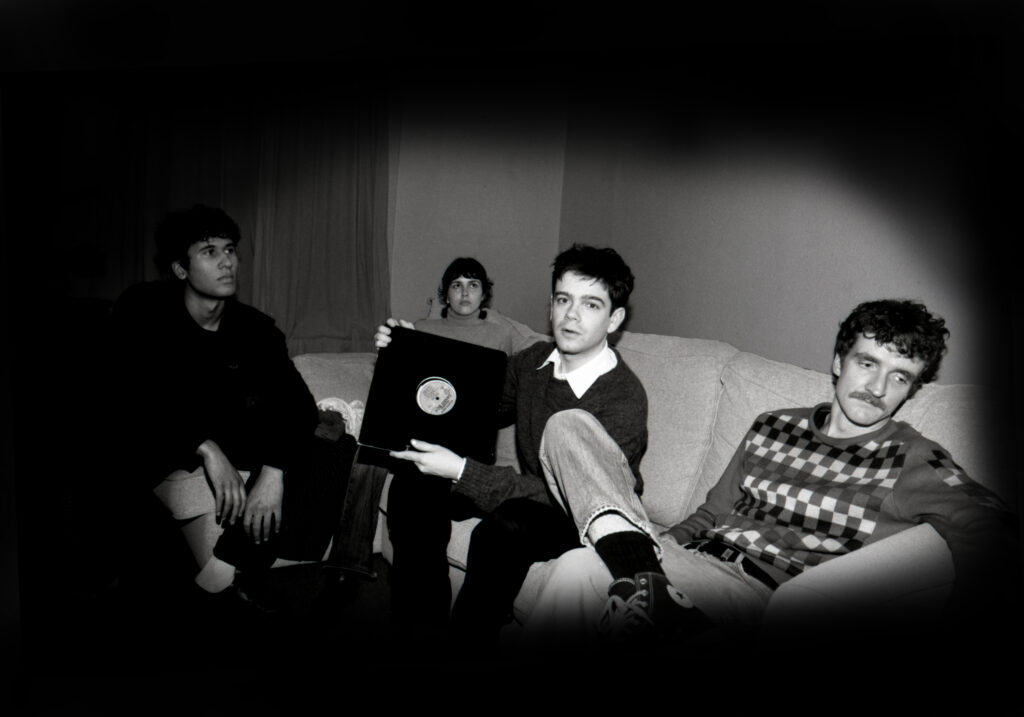
When black midi came to a hiatus, Cameron Picton followed in a completely new direction. His My New Band Believe moniker is an unfixed ensemble whose only constant is his voice and guitar, and where, considering the new record advances, emotion sets the tone. Steering away from dissonance and anger, the album lives on elaborate and dramatic chord progressions, full of narratives, building tension, resolving it and creating a perfect, almost-baroque pop setting for lyrical pop confessions. If you expect distortion, you will be pleasantly surprised with piano melodies, string arrangements and beatitude.
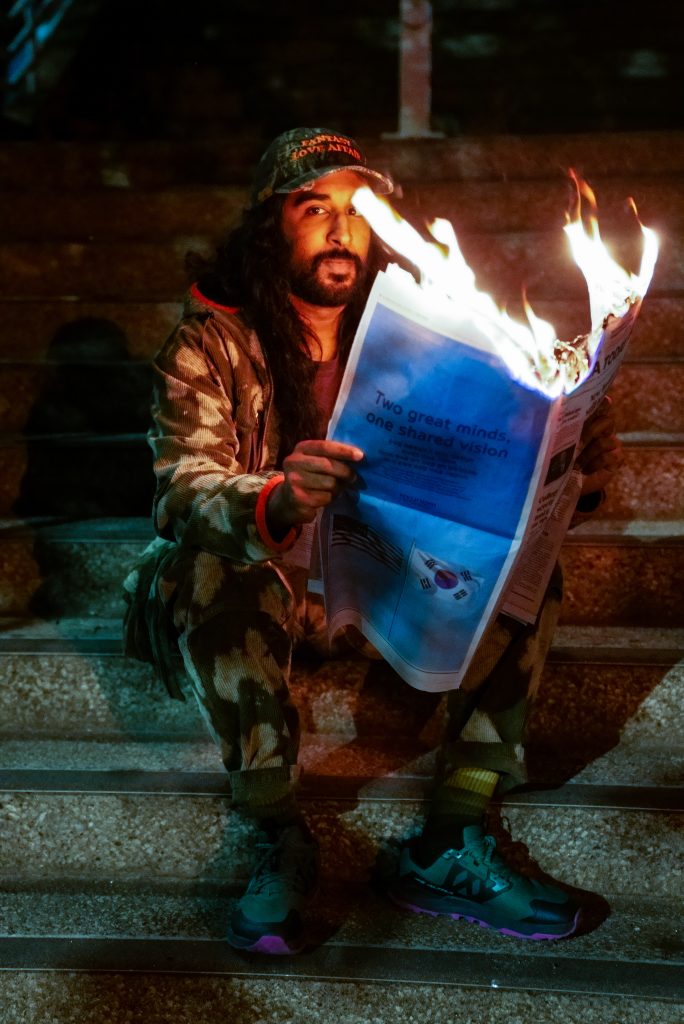
Nikki Nair developed his own brand of acidic broken beat techno after many years of dancefloor busting with all things bass, all things jungle, and all things synth. His DJ wits allows the Atlanta-based producer to make heavy use of tangential genres that are not played together often enough, and it translates to his own beatmaking skills. From ghettotech to electro and jungle, his sound melts all this incendiary genres into an explosive possibility of dance-inducing frenzy ready to turn any club into a permanent fire drill — but in this case, the temperature might get real.

Ship Sket’s practice is one of conceptual overriding, overloading and of careful minimal curation. His sound pieces tend to be overwhelming on the senses, but spacious in the way we approaches the final spectogram of each track. His deconstructed post-dubstep, or whatever you might call his club-oriented electronic clipping soundscapes, use cannon to set up expectations and work around expectations, taking off or displacing elements into surprising positions and apparently lower-paced beats. Ultimately, the British producer poses questions to the audience, eagerly waiting for them to answer with the body. Will you dance to this brain-club?
Joining the masses of free rising UK stars, thredd comes out as a pop powerhouse to behold, where lofi melodies, cold sounding beats, and involving ambient scapes create stripped down, emotional bangers. It is not surprising, considering the outfit is the result of Will Lister, Max Winter and Imogen Williams coming together for a true collaborative effort, sharing inputs and pouring sensibilities into memorable songs. Two guitars, synths and samplers, loads of ideas, three voices, and numerous mathematical combinations for emotional bursts condensed into slow, fragile ballads and sensual electronic tracks turned into true earworms. We will be singing along and dancing with thredd soon enough.
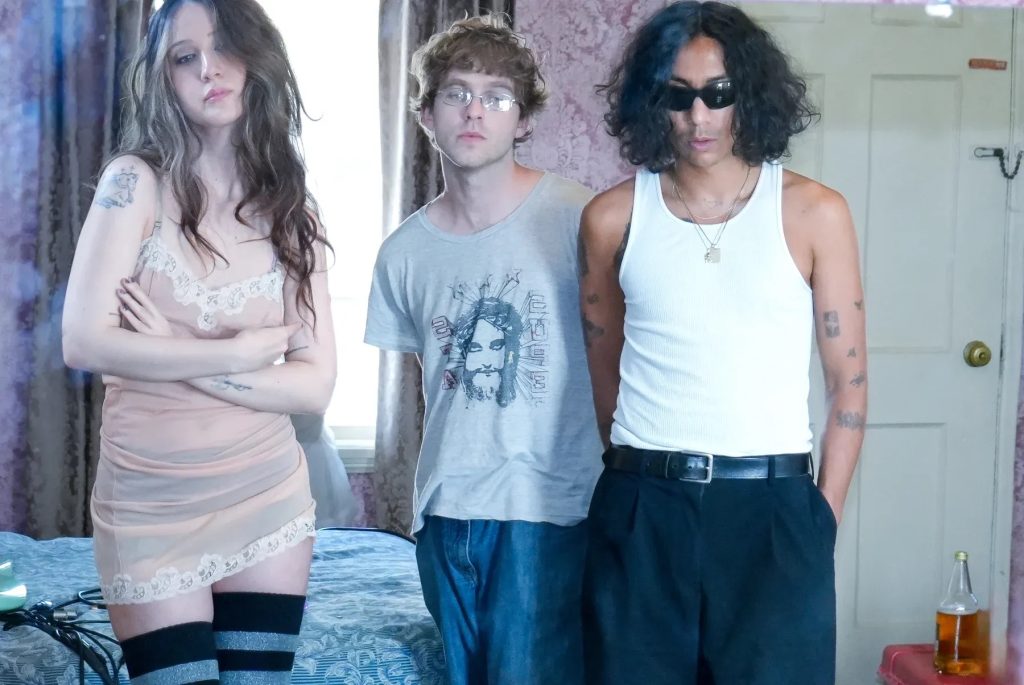
The California-based trio Touching Ice delved into industrial, techno and pop to create a familiar yet singular brand of sound, where harshness and bleakness are opposed by dreamy vocals or diluted in major harmonic progressions with bright synth sounds. Their latest “I Just Remembered Everything Always Works Out For Me” compiles 12 tracks, 11 of which are pure club anthems, just ready to ignite any party with cheerful melodies despite the dark waves of sounds that might come your way every so often. Touching Ice sounds like a bright beam of light bursting through the underground of a factory rave.
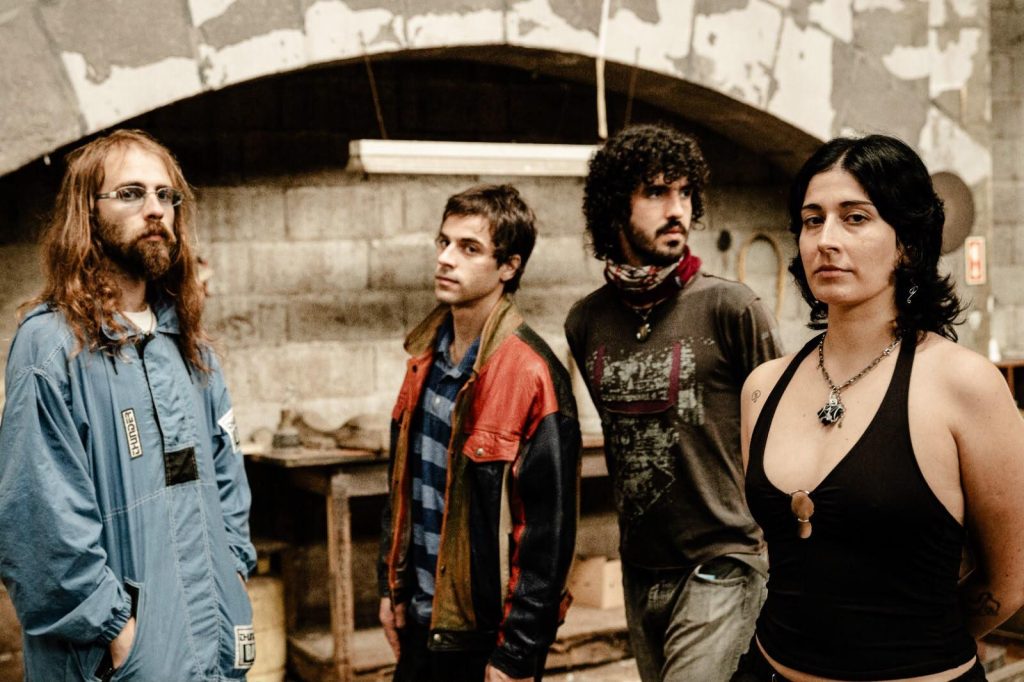
The ŪMËR collective is a formal gathering of DJs born and/or raised in Guimarães that are now returning to town to revamp its club culture with a carefully curated approach on techno, electro, and synth heavy 4:4 rave tracks. Their mission to represent the towns best club culture is already reaching other coordinates, leaving trace of their wits and skills. A homecoming for Mucho Flow is not only deserved, it is very much needed.
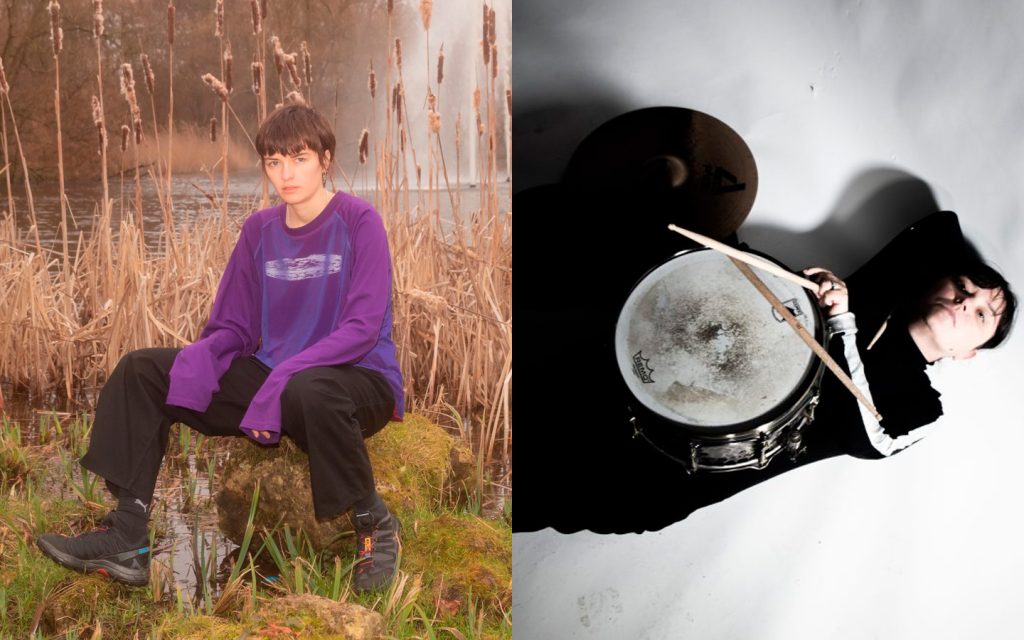
upsammy has a very unique approach to electronic music, with space and absence playing an essential role in her production. Melodic ideas seem to be formed with small specs of possibilities, elements popping up but not taking over whole progressions, leaving the vacant space to be filled by expectation, and not imagination. That belongs entirely to upsammy, who manipulates silences masterfully. This is where the ultra-prolific and hyper-talented Magaletti comes in, turning all expectation into realities and inhabiting all the right spaces, without taking over. The duo’s first album does not sound as a collaboration, but rather as a unit. It is hard to keep both talented creators from taking over, and yet they made it sound so easy.

Villa, Redhead’s own brand of freakfolk is only possible in the contemporary scene of lofi and bedroom pop, where sampling, metareferencing and online-native thropes are common language for the creative mind. The producer and numerologist behind the moniker, João Maciel, knows this well and wields it as technique more than aesthetic, creating layered soundscapes for his guitar and voice explorations to develop into a folklore of urban online culture.
Programme
29.10 Thursday
- bloodsports
- Lee Ranaldo & Leah Singer Live AV
- Lorenzo Senni
- Microplastics
- Mother Jupiter & Framed Nemesis (live a/v) Live AV
30.10 Friday
- Dumbhead
- Hannah Frances
- Jana Horn
- Liim
- Nikki Nair DJ Set
- Ship Sket DJ Set
- Touching Ice
- ŪMËR DJ Set
- upsammy & Valentina Magaletti
31.10 Saturday
- Charlie Osborne
- Dj Lynce DJ Set
- gyrofield DJ Set
- Kavari DJ Set
- Mandy, Indiana
- Milkweed
- My New Band Believe
- thredd
- Villa, Redhead
With no walls to hold us, no borders to stop us, the Commune expands, contracts and disappears like an organism unto itself, one that, while not ubiquitous, occupies and vacates in expressions of life and art. For the restless among us, ever more distant beyond this place, this space of cohabitation grows ever more urgent; ever more disconnected, here we find the space to reclaim, recreate and regenerate the mythologies that have been externalised away from us into machines. This organism is alive, it ingests, it expels, it sweats. Its habitat is the dance floor, its realm is the party, its anatomy is communion. The Commune.